


Technical SEO is important because it makes your website simple to use and easy to understand. It helps both visitors and search engines move through your site without problems. When pages load fast, work well on mobile, and stay secure, people feel more comfortable using your site.
In this guide, we explain how technical SEO supports website growth. It focuses on things like site structure, indexing and performance. When these basics are in place, your content appears in search results where users search.
What is Technical SEO?
Technical SEO is the process of optimizing a website’s backend so search engines can access and understand it. It prepares your site for visibility before content and links can make an impact. Without it, even good pages may not appear in search results.
Technical SEO matters because it supports rankings in a direct way. It helps search engines understand your site and gives users a smooth experience. When a website works in a proper way, rankings will improve over time.
How Technical SEO Supports Search Engine Crawling and Indexing
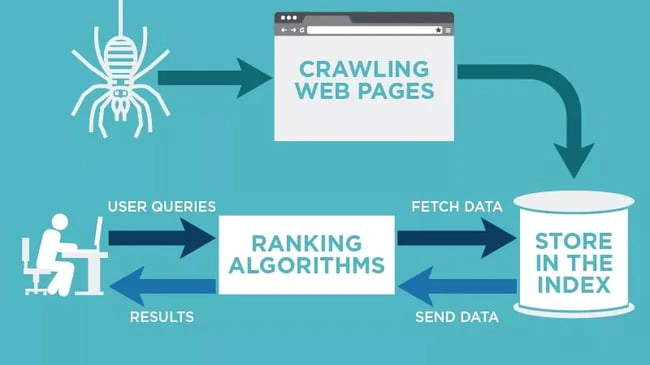
Search engines rely on bots to crawl and index pages on your site. Technical SEO focuses on removing barriers that block this process. A clean site structure allows bots to access all important pages.
A solid setup lets search engines crawl your site. Technical SEO highlights your most important pages. It helps search engines understand your content. This improves search performance and boosts rankings.
What are the Core Elements of Technical SEO Best Practices?
Elements of technical SEO include site structure, security, and performance. These technical elements work together to support a strong technical foundation. When set up, they help search engines understand your website.
Following these practices boosts your SEO and supports your strategies. These steps help search engines find your site, make it easier for users to navigate, and prevent issues that can hurt growth.
What Are Core Web Vitals?
Core Web Vitals measure real user interactions, including loading speed, visual stability, and interactivity. They are essential technical SEO metrics. Optimizing core web vitals improves user experience and strengthens search engine ranking signals. Websites that focus on these metrics gain better visibility and SEO success.
Strong Core Web Vitals lower bounce rates by keeping pages smooth. Users can interact with content without sudden changes. This builds trust in the website. Over time, it increases engagement, session length and search performance.
Why Website Speed and Core Web Vitals Matter
Website speed plays a direct role in ranking and user experience. Slow websites frustrate users and send negative signals to all search engines. Speed is also part of core web metrics, which measure actual user interactions.
Optimizing key website elements improves user experience. It helps search engines understand your site. Rankings increase when pages perform well. A fast website keeps visitors engaged. This supports long-term SEO success.
How Structured Data Improves Search Results
Structured data helps search engines understand the meaning of your content, not only the keywords. It labels information so your pages show richer results, like reviews or FAQs. Structured data helps search engines understand your content.
This improves SEO and raises rankings. It makes your listings stand out. Users have a better experience. Visitors stay longer on a fast, organized site. The site delivers the content they need.
What Is a Technical SEO Audit and When Should You Do One?
SEO audit checks the health of your website’s backend. It reviews indexing, speed, and reach. It finds technical issues that affect rankings. You should perform audits during a site launch, redesign, or traffic drop.
Regular SEO audits check your site’s overall setup and improve SEO. They help spot issues so you can fix them before they affect rankings or user experience. It also helps identify trends and opportunities to strengthen your website’s SEO over time.
How Robots.txt File and XML Sitemap Help Search Engines
The robots.txt file controls which parts of your website robots can access. It helps search engines focus on important pages instead of wasting crawl budget. An XML sitemap lists your most important URLs.
This helps search engines understand your site structure. It also helps them find updates faster and improves your search rankings. Together, robots.txt and XML sitemaps make your website easier for search engines to navigate and rank.
On-page SEO focuses on content and keywords. Off-page SEO deals with links and authority signals. Technical SEO makes the site work in a proper way. Without it, content and backlinks lose value.
Technical SEO links all SEO areas and helps search engines understand your site. It lets search engines crawl and index content without issues. A well-optimized site makes content and backlinks more effective. This ensures you get the best results from your SEO strategy.
Common Technical SEO Issues That Hurt Rankings
Many websites have technical SEO problems like broken links, duplicate pages, or poor mobile support. These issues confuse search engines and hurt rankings. Fixing them improves stability and trust. Solving these problems strengthens your site and leads to better search results.
Slow page speed is another common problem. It frustrates users and increases bounce rates. Missing meta tags, wrong redirects, and crawl errors can stop search engines from indexing your pages. Fixing these issues helps your site perform better and keep steady rankings.
Why Investing in Technical SEO Builds Long-Term SEO Success
Over time, technical SEO keeps your website strong, even when algorithms change. A clean site structure, fast pages and proper indexing lower the risk of ranking drops. This allows your content and links to perform well without technical issues.
Which Technical SEO Factors Matter Most for Rankings?
These ranking factors help search engines evaluate your website. They make your site easy to crawl, fast to load and accessible on all devices. This improves visibility in search results.
Crawlability
Crawlability allows search engines to access all important pages on your website. Internal links and XML sitemaps help search engines crawl your site.
Site Structure
Site structure arranges pages in a clear order for users and search engines. Clear navigation and hierarchy help search engines understand content relationships.
HTTPS (SSL/TLS Certificate)
HTTPS ensures secure connections for users. Search engines reward secure websites with higher ranking signals.
Implementing SSL/TLS certificates protects user data and builds trust. This is a key element of SEO best practices.
HTTP Status Codes
HTTP status codes indicate how pages respond to search engines. Errors like 404s can block crawling and reduce rankings.
Page Speed
Page speed impacts user experience and search rankings. Pages that load slowly frustrate users and cause higher bounce rates.
Optimizing images, caching and core web vitals improves speed. This helps improve SEO and boost rankings.
Mobile-Friendliness
Most users browse on mobile devices. Mobile-friendly websites improve user experience and search engine rankings.
How to Be a Technical SEO Specialist?
A technical SEO specialist works to improve website performance and fix technical issues. They check crawl errors and review indexing. They also optimize elements that affect search rankings. Using tools like Google Search Console helps improve visibility. Running regular audits keeps the site healthy. Mastering technical SEO builds a strong foundation and supports overall SEO success.
How Else Can I Improve SEO?
Improving content quality and building backlinks is important beyond technical SEO. On-page and off-page SEO work better when technical SEO is set up. Regular audits, structured data and speed improvements support these efforts. A combined approach boosts ranking, user experience, and long-term SEO.
Focusing on user intent and creating clear content improves SEO. Updating old pages and fixing internal links helps search engines understand your site. Monitoring the site and making small changes strengthen results over time.
What Are the Advanced Technical SEO Techniques?
Advanced technical SEO techniques include log file analysis, rendering optimization and structured data updates. These techniques help large or complex websites perform well. They ensure that search engines can access all pages.
Fixing deeper technical issues improves crawling and indexing. It allows search engines to understand the site’s structure. Advanced SEO methods increase search rankings. They strengthen overall SEO performance.
FAQs
How is technical SEO different from overall SEO?
SEO focuses on improving a website’s visibility in search results. On the other hand ,Technical SEO focuses on the backend structure of a site. It ensures crawling, indexing and performance work well. This supports all other SEO efforts.
How does technical SEO impact rankings?
Technical SEO helps search engines read your site and build trust in it. It improves site speed, mobile access, and structure. Strong elements make search engines rank your pages higher.
Why is technical SEO important for law firms?
Law firm websites need trust, speed, and accuracy, which technical SEO maintains. A strong technical setup improves local search visibility and helps clients find legal services.
Why is SEO so important?
SEO helps businesses reach their audience through organic search. It builds visibility, credibility and steady traffic. It works without depending only on paid ads.

18 December 2025
Local SEO for cloud kitchens (2025 guide)

18 December 2025