


How to generate hyperlocal real estate landing pages is a common question in today’s competitive real estate market. A well-planned landing page helps agents connect with nearby buyers and sellers and attract more leads. When done right, it supports hyperlocal real estate marketing and improves lead generation.
In this guide, you will learn practical ways to generate hyperlocal landing pages that attract nearby buyers and sellers. It explains how to structure content, use local signals, and improve lead capture so your landing pages perform better in real-world conditions.
What Is a Landing Page in the Real Estate Market?
A landing page serves a specific goal. In real estate, it guides buyers or sellers to take action. Unlike a full real estate website, it focuses on one message only. Many real estate professionals use landing pages for real estate to promote listings or offers.
A clear landing page gives potential clients a simple path forward and improves conversion rate. Visitors see the value fast and feel ready to move forward. Strong messaging and clean design help turn interest into action.
What Makes a Real Estate Landing Page Effective?
A real estate landing page works best when it stays focused. It highlights one service, one offer, or one location. This helps buyers and sellers see the value. A high-converting landing page uses strong visuals and short copy. It should make it easy for visitors to take action without confusion.
An effective landing page also builds trust right away. Clear headlines, real images, and simple benefits help visitors feel comfortable. Adding a clear CTA guides them on what to do next. When the message feels honest and easy to follow, people are more likely to respond.
Why Should a Real Estate Agent Use Hyperlocal Landing Pages?
Hyperlocal landing pages target a specific area or neighborhood. This approach works well because buyers search for homes near them. Sellers also prefer agents who understand their area. Hyperlocal real estate marketing allows a real estate agent to showcase local expertise. It helps build trust and attracts qualified leads from nearby searches.
Agents can highlight local market trends and prices. Sharing community stories makes pages relatable. However, including local testimonials boosts credibility. Showing nearby listings keeps visitors engaged. It makes the agent feel approachable and knowledgeable.
How Do High-Converting Real Estate Landing Pages Generate Leads?
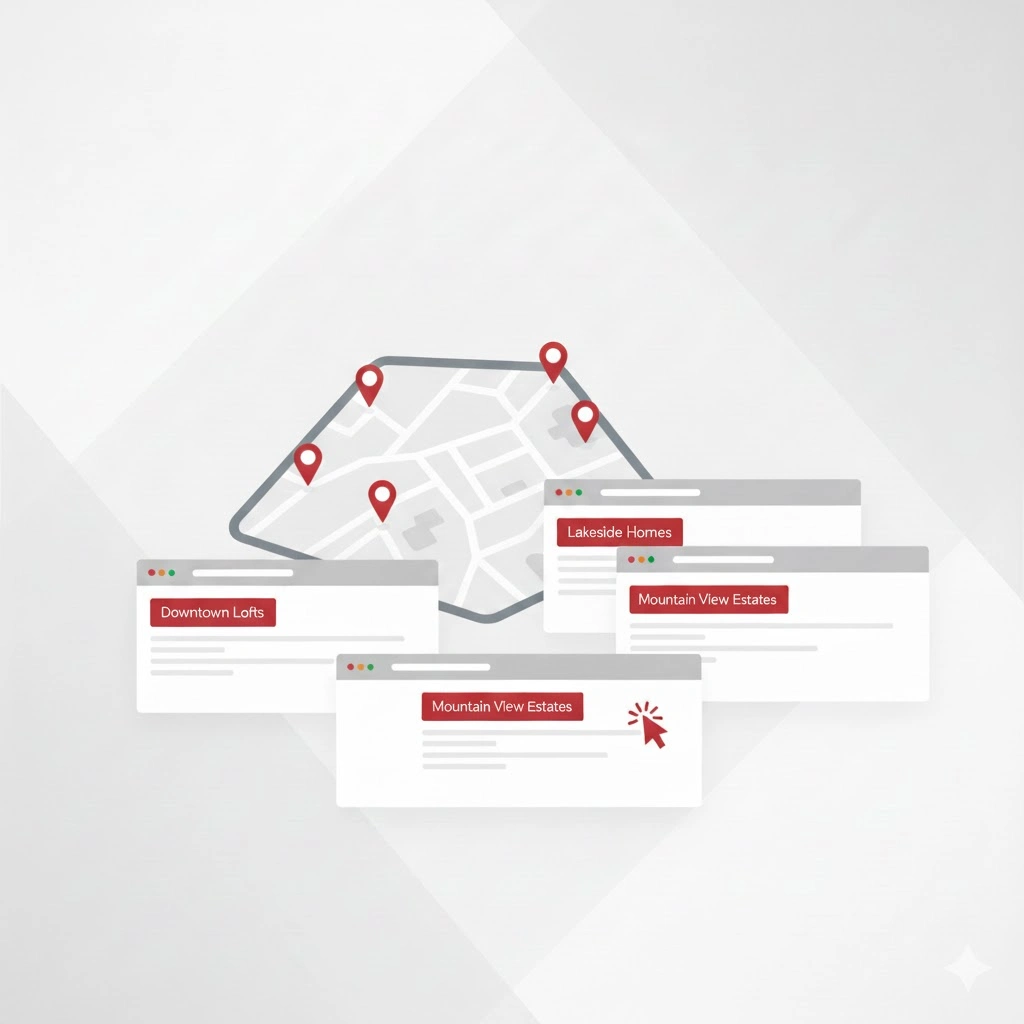
Lead generation starts with a clear offer. This could be a free home valuation or a neighborhood guide. A landing page includes one focused offer only. As a result, lead capture improves when forms are simple and easier to complete. A lead capture form should ask only for essential contact information to reduce friction.
Strong calls-to-action guide visitors to take the next step. Visuals like property photos grab attention. Testimonials build trust fast. Offering downloadable resources keeps visitors engaged. Regular testing helps see what converts best.
What Should a Real Estate Agent Landing Page Include?
A real estate agent landing page should include a headline, visuals, and a clear CTA. It should also explain the benefits in short sentences. Moreover, social proof matters, and adding a testimonial helps build trust and shows credibility within the real estate business.
Furthermore, contact information should be easy to find, and a simple lead form makes reaching out quick. Also, highlighting local expertise connects with visitors, while including a map or neighborhood details adds value. Finally, keep the design clean and focused on action.
How Does Hyperlocal Marketing Improve Landing Page Results?
Hyperlocal marketing connects content to a specific place. This makes landing pages feel relevant and personal to visitors. Using hyperlocal terms helps buyers feel understood. It helps capture leads ready to buy or sell in the local area.
Adding local events or news makes pages more engaging. Featuring nearby schools or amenities builds trust. Reviews from local clients show credibility. Maps and directions make it easy to connect. Personal touches keep visitors interested and responsive.
What Are Examples of High-Converting Real Estate Landing Pages?
Real estate landing page examples often focus on one listing or one service. Some highlight homes for sale, others promote buyer guides. The best real estate landing pages showcase value in a clear way. They avoid clutter and guide users one step closer to contact.
Some landing pages offer free home valuations. Others feature virtual tours or neighborhood insights. They use clear headlines and strong calls-to-action. Simple forms make it easy for visitors to reach out. Visuals like photos and videos help keep attention.
How Can Landing Pages Support Long-Term Marketing Strategy?
Landing pages support a larger marketing strategy. They work well with digital marketing and social media platforms. You can connect your landing page to a CRM. This helps track real estate leads and handle follow-ups.
You can add testimonials or success stories. Small changes can make pages feel new. Highlight seasonal promotions or events. This keeps visitors coming back. Monitor clicks and engagement to guide updates.
How to Optimize Landing Pages for Buyers and Sellers?
A landing page should speak to the buyer and seller’s needs. Therefore, buyers want listings, while sellers want home valuation insights, so pages should address both. Offering virtual tours and market data helps build trust. It shows that you use real tools to support decisions.
Adding clear benefits helps visitors take action. Highlight what they gain, like saving time or finding the right home. Use simple language and visuals to make it easy to understand. As a result, this encourages both buyers and sellers to engage.
Why Are Landing Pages Essential for Real Estate Professionals?
Landing pages allow focused messaging. Real estate agents use them to share offers fast. They help generate leads without overwhelming visitors. In fact, a dedicated landing page drives better results than general pages
Landing pages save time and keep marketing clear. Visitors see one message without distraction. This makes decisions easier for them. Clear focus often leads to stronger responses.
Essential Elements of an Effective Real Estate Agent Landing Page:
A landing page should grab attention fast. It must focus on one clear goal. Visitors should know what to do next. Use a strong headline at the top. Include high-quality visuals of homes. Keep text simple and easy to read. Add a call-to-action button.
Make the form short and clear. Include testimonials for trust. Show your local knowledge. Highlight benefits for buyers and sellers. Ensure the page loads fast. Use colors that match your brand. Always check mobile responsiveness.
Why Hyperlocal Marketing is Your Key Advantage
Hyperlocal marketing focuses on a small area. It makes your content feel personal. Therefore, buyers notice when you know their neighborhood. Sellers trust agents who understand the local market. Search engines rank local pages higher. Use local landmarks in your content. Mention nearby schools and parks. Include events happening in the area.
Highlight local market trends. Share stories from past clients. Maps can help visitors understand locations. Add neighborhood photos. Make the page feel familiar. Visitors connect faster with local content.
Strategies to Create Hyperlocal Real Estate Landing Pages
Creating a hyperlocal real estate landing page helps attract buyers in your area by highlighting local neighborhoods and nearby listings. Clear headlines, visuals, and simple forms make the page more engaging and improve lead generation.Here are some strategies:
1. Plan and Prepare Your Page
First, decide what your page should do and who will visit it. Know if you want to get leads or share listings. Use clear headlines and visuals to catch attention. Add local details and make the page easy to navigate. Keep forms short and offer something valuable to visitors. Test your content and adjust it based on how visitors behave.
2. Create Engaging and Clear Content
Write short sentences that show visitors the benefits. Avoid long paragraphs and explain things clearly. Make buttons and calls-to-action easy to see and understand. Include examples or reviews to build trust. Use simple language and organize the text with headings, subheadings, and bullet points. Check what works best and make improvements.
3. Optimize for Performance and Leads
Make sure your page works well on phones and loads quickly. Keep navigation simple and avoid distractions. Lead capture forms should be short and ask only for necessary information. Use strong calls-to-action and reassure visitors about privacy. Use features like auto-fill and follow-up to get better results. Mobile-friendly pages and good forms help get more leads and keep visitors engaged.
4. Add a Strong Call-to-Action (CTA).
Tell visitors exactly what to do. Use action words like “Get” or “View.” Place buttons above the fold. Repeat CTAs after key content. Make buttons visible with color. Keep forms short and simple. Offer value for filling out forms. Avoid multiple competing CTAs.
Test CTA wording. Make the process fast and easy. Add urgency if appropriate. Use arrows or icons to draw attention. Ensure mobile buttons are tappable. Track clicks to improve performance.
5. Ensure Mobile Optimization.
Most visitors browse on phones. Pages must load fast. Keep text readable without zooming. Make buttons easy to tap. Avoid pop-ups that block content. Optimize images for speed. Test on multiple devices. Check forms for mobile usability. Keep navigation simple.
Avoid heavy animations. Ensure CTAs are visible. Use responsive design. Shorten paragraphs for easy reading. Mobile optimization improves engagement.
Tips for Maintaining and Improving Your Real Estate Landing Page
Maintaining and improving your real estate landing page ensures it stays effective and relevant. Regular updates keep information accurate and engaging for visitors. Optimizing design, content, and user experience helps attract more leads and conversions. Here are some tips;
1. Keep Content Updated
Update listing and refresh neighborhood guides. Add new photos or videos. Update prices and market data. Remove outdated offers. Highlight seasonal events. Post local news. Refresh testimonials. Check CTAs still work. Update forms if needed. Review mobile layout. Remove broken links. Test page speed. Keep content relevant and fresh.
2. Conduct A/B Testing on Page Elements
Test headlines for engagement. Try different images. Test CTA wording. Change button colors. Test form placement. Try new visuals. Compare long vs short copy. Check mobile vs desktop performance. Track conversions, adjust layout based on results, and test social proof placement. Review daily and keep the successful elements. Replace underperforming ones.
3. Monitor and Analyze Performance Metrics
Track page visits. Measure clicks on CTAs. Record form submissions. Check bounce rates. Monitor time on the page. Compare different traffic sources. Use analytics tools. Identify strong content. Spot weak elements. Test improvements. Adjust content based on data. Focus on high-performing areas.
SEO Techniques for Hyperlocal Content
Include local keywords in a natural way and mention streets and neighborhoods. Use meta tags for local search, optimize headings for location, and add alt text with location. Include maps and directions. Link to local resources. Create content focused on the local area and its unique features. Include FAQs about the neighborhood to answer common questions. Highlight upcoming local events to engage readers.
Maintain a consistent posting schedule to keep content fresh. To improve engagement, focus on relevant, specific information rather than generic topics. Adding localized details makes your page more appealing and attracts the right audience.
Tools to Develop Effective Hyperlocal Content
Creating effective hyperlocal content requires the right tools and strategies. Using accurate data and visuals ensures your content is trustworthy. Tracking engagement helps you understand what works for your audience. Consistent optimization improves visibility and conversions over time.
Use Mapping Tools for Accuracy
Mapping tools help pinpoint exact locations. They ensure directions and neighborhood references are correct. Accurate maps build credibility with visitors. In fact, they also improve user experience. This makes your content more reliable.
Check Market Reports
Local market reports give insights into property trends. They help you provide valuable, up-to-date information. Sharing market data builds authority in the area. Visitors trust pages that offer real insights. Moreover, Reports also support data-driven decisions.
Track Local Search Trends
Monitoring local search trends reveals what buyers and sellers are looking for. It helps you tailor content to current interests. Trending topics increase engagement and relevance. This keeps your pages competitive. Using trends ensures content stays timely.
Use Content Planning Tools
Planning tools, such as Ahrefs or SEMrush, organize your publishing schedule. They help maintain consistent posting and keep your pages fresh and relevant. Organized content improves workflow efficiency and supports a long-term strategy.
Analyze Competitors
Studying competitors shows what works in your area. It reveals gaps you can fill with unique content. Competitive analysis helps refine messaging and positioning. Moreover, you can also identify successful formats to replicate. This provides a local advantage.
Include Social Media Insights
Social media data shows what local audiences engage with. Insights guide content topics and formats. This helps increase reach and interaction. You can adapt posts based on engagement patterns. Social trends improve relevance.
Use Visuals from the Area
Local photos and videos make content relatable. They present the neighborhood in a real and genuine way. Visuals help visitors imagine living in the area. In fact, real imagery also increases trust. Optimized visuals improve search performance.
Optimize Images for Search
Well-sized images with proper tags enhance SEO. Descriptive alt text helps search engines understand visuals. Optimized images improve page load times. As a result, they enhance both user experience and rankings. This increases discoverability.
Track Engagement with Analytics
Analytics track clicks, time on page, and conversions. This shows which content performs best. Data-driven insights guide future improvements. Monitoring engagement ensures your efforts are effective. In fact, it also highlights areas needing adjustment.
Test Different Content Formats
Experiment with blogs, videos, infographics, or interactive tools. Different formats appeal to different audiences. Testing identifies what works for the local audience. Variety keeps content interesting. However, you can scale successful formats further.
Include Local Blogs
Local blogs provide in-depth neighborhood information. They engage readers and improve SEO. Blogs allow storytelling about community life. However, they establish you as a local authority. Regular blog posts support long-term engagement.
Use CRM Data for Targeting
CRM insights show buyer and seller preferences. Targeted content meets audience needs. Personalized messaging improves conversion rates. CRM data helps plan follow-ups. This ensures content aligns with real demand.
Regular Checking of Local Keywords
Keyword research ensures content matches what locals search. Updated keywords improve search rankings. Focusing on relevant terms increases organic traffic. It also keeps pages competitive over time. Keyword optimization drives visibility.
Focus on High-Value Content
Prioritize content that provides real value to visitors. Informative, helpful pages encourage engagement. High-value content builds trust and authority. It attracts leads better than generic content. Valuable pages perform better in search and conversions.
Transforming AI-Generated Content into Authentic Hyperlocal Real Estate Material
Edit AI text to sound human while adding personal stories. Include specific neighborhood details. Remove generic phrases. Add local statistics. Mention nearby amenities. Include client experiences. Break text into short sentences.
Add headings and bullet points, use visuals to support copy, make it relatable and include CTAs. Ensure factual accuracy and keep tone friendly and professional. Focus on solving real local problems to build trust and engagement.
Making Hyperlocal Content Engaging and User-Friendly
Creating engaging hyperlocal content helps real estate pages stand out in local searches. A simple design holds visitors and lowers bounce rates. A clear structure makes information easy to understand for all users. Local-focused content builds trust and credibility. These elements together improve lead conversion.
Use Clear Headings and Bullet Points
Headings organize content and guide users through the page. Bullet points make key information easy to scan. Together, they improve readability and reduce confusion. This structure ensures users find what they need without frustration.
Include Maps and Local Photos
Maps display the property’s location and the surrounding area. Local photos give visitors a real view of the neighborhood. Visuals create an emotional connection with the area. Authentic images build trust and credibility.
Keep Paragraphs Short and Simple
Short paragraphs are easier to read on both desktop and mobile. They prevent users from feeling overwhelmed by large blocks of text. Simple sentences keep content clear and focused. This keeps visitors engaged for longer periods.
Highlight Community Features
Showcase schools, parks, transport, and other neighborhood highlights. These features help visitors imagine living in the area. Local details make the page more appealing to buyers and sellers. They also improve relevance for local searches.
Use Clear and Simple Language
Simple language makes content easy to understand for all users. Avoid jargon or complex terms that could confuse visitors. Clear wording builds trust and encourages engagement. As a result, it also increases the likelihood of conversions.
Add Calls to Action and Links to Local Resources
Include CTAs to guide users toward the next step. Links to local resources add value and show helpfulness. These elements keep users on your site longer. However, they also improve engagement and lead generation when optimized.
Optimize Visuals for Mobile
Ensure images and videos load correctly on all devices. Mobile-optimized visuals improve the user experience. Fast-loading, responsive content keeps visitors engaged. This is crucial as many users access pages via mobile.
Add Local Testimonials
Show reviews and feedback from clients in the area. Testimonials provide social proof and build trust. They make your services feel credible and relatable. Positive experiences encourage new leads to take action.
Focus on Visitor Benefits
Highlight how your services help buyers or sellers. Moreover, focus on benefits instead of features. This makes the content more persuasive and user-centered. Showing real value increases the chance of conversions.
Update Content and Track Engagement
Keep listings and local information current. Track metrics like page visits, clicks, and form submissions. Regular updates improve trust and search engine ranking. Monitoring engagement helps refine your strategy.
Promote Content via Social Media, Email, and Local Groups
Share pages where local audiences are active. Use emails and newsletters to reach subscribers. Posting in neighborhood forums builds direct community connections. Consistent promotion improves visibility and engagement.
Analyze Traffic, Headlines, and Top-Performing Pages
Identify where visitors come from and which pages perform best. Test different headlines to see what drives clicks. Use these insights to replicate successful strategies. Analysis ensures your content stays effective.
Adjust Marketing Using Data
Use performance metrics to refine your campaigns. Focus on high-performing channels and improve weak ones. Data-driven decisions increase lead quality. Adjustments make resource use more efficient.
Encourage Shares, Reviews, and Use Insights to Improve
Ask visitors to share content and leave reviews. Positive feedback increases credibility and reach. Apply insights from engagement to improve future content. Continuous improvement strengthens your local marketing efforts.
Importance of Real Estate Lead Capture Landing Pages in Agent Marketing
Lead capture pages turn visitors into clients. They grow your contact list. Strong pages build trust. Simple forms increase submissions. Visuals help attract attention. Local content connects with visitors. Testimonials boost credibility. CTAs guide the next step. Pages improve marketing ROI.
Tracking results shows what works. Updates keep pages relevant. Mobile-responsive design matters. Hyperlocal content converts better. Consistency strengthens your brand. Together, these practices help build trust, improve local visibility, and drive long-term real estate leads.
FAQs
Can I create multiple landing pages for different lead types or campaigns?
Yes, creating separate landing pages for buyers, sellers, or specific campaigns targets each audience. Tailored messaging increases engagement and improves lead quality.
Do I need technical or design skills to make an effective landing page?
Many platforms offer drag-and-drop builders for page creation, and applying basic design principles with good user experience improves conversions.
How does hyperlocal real estate marketing work?
Hyperlocal marketing promotes properties in a specific neighborhood using local keywords and community highlights. This builds trust, attracts relevant leads, and improves local search visibility.
What does it take to create the best-converting real estate landing pages?
High-converting pages use clear messaging, strong visuals, and simple calls-to-action. However, including testimonials, local information, and regular updates ensures ongoing effectiveness.

30 December 2025
How to Turn On Google AI overviews

30 December 2025